
Universal Design: Making Homes Work for Everyone
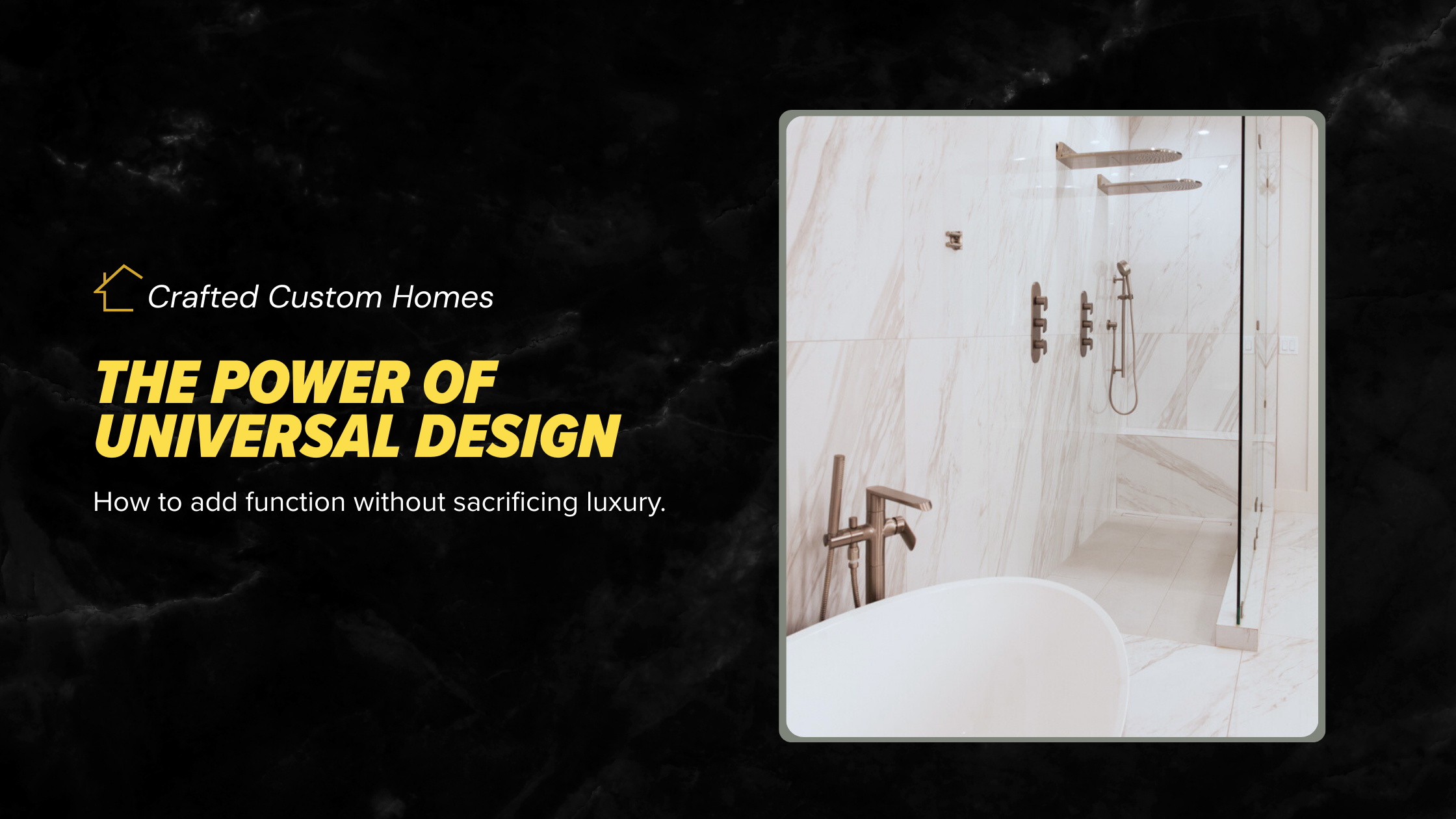
Life can change fast. One day you're walking up stairs with no problem. The next day, you might have trouble getting around because of an injury, illness, or just getting older. Most homes are built for healthy adults only. This leaves families scrambling to make expensive changes when life throws them a curveball.
Universal design offers a better way. It means making homes that work well for people of all ages and abilities right from the start. These aren't ugly medical-looking changes. Universal design means smart planning that makes homes more comfortable, safe, and useful for everyone.
What Is Universal Design?
Universal design means making spaces that anyone can use easily. It doesn't matter how old you are, whether you use a wheelchair, or what your abilities are. The best part is that these features help everyone in the family - from little kids to great-grandparents.
This is different from ADA rules, which are mainly for businesses and public buildings. Universal design goes beyond basic access needs. It creates homes that make sense to use. When you walk into a well-designed room, you should know right away how things work without hunting around for light switches or struggling with door handles.
Universal Design vs Regular Accessible Design
Regular accessible design focuses on helping people with disabilities. Universal design tries to help the most people possible. Universal design follows these ideas:
Works for people with different abilities
Can be used in flexible ways
Easy to understand and use
Gives clear information to users
Safe even if you make mistakes
Doesn't require much strength or effort
Right size for anyone to use
Why Planning Ahead Saves Money
Think about two families. Both have someone get hurt and need to use a wheelchair.
Family #1 just built their house last year. Now they need to make their doors wider, add ramps, and change their bathroom. This costs a lot of money and takes months to finish.
Family #2 built their house with universal design in mind. They already have wide hallways, closets stacked on top of each other (ready for an elevator later), and strong walls in the bathroom for grab bars. They only need small changes.
The difference isn't just about money. It's about keeping your independence and dignity when times get tough.
How to Make Each Room Work Better
Front Door and Entry
Making your front door easy to use sets the tone for your whole home. A zero-step entry means you have a gentle slope instead of steps. This helps anyone who uses a walker or wheelchair, but it also helps when you're carrying groceries or pushing a stroller.
Easy entry features:
Door handles you push down instead of twist
Locks that open when you get close with your phone
Good lighting so you can see to unlock the door
A small shelf to set packages on while you unlock the door
Different colors or textures to show where steps are
Good lighting along your walkway helps prevent falls. Many accidents happen outside your home when people are coming or going, especially at night.
Kitchen Changes
The kitchen has lots of ways to make life easier for everyone:
Storage That Works:
Drawers that pull all the way out so you can see everything inside
Upper cabinets that lower down to counter height with the push of a button
Rolling carts that hide under counters but come out when you need extra workspace
Microwaves in islands or lower cabinets instead of above the stove
Lighting and Controls:
Lights under cabinets so you can see what you're doing
Faucets that turn on when you wave your hand under them
Light switches you can hit with your elbow
Lights that turn on by themselves when you walk into the pantry
Better Appliances:
Refrigerator and dishwasher drawers that don't require bending over
Side-by-side refrigerators instead of top-freezer models
Stove controls on the front instead of the back
Bathroom Safety and Comfort
Bathrooms are where most home accidents happen, so these changes really matter:
Safer Showers:
Walk-in showers with no step to trip over
Shower controls by the entrance, not under the water
Handheld shower heads on a long hose
Built-in seats in the shower
Floors that aren't slippery
Support and Safety:
Strong backing in walls for grab bars (even if you don't need them now)
Grab bars that look like regular bathroom accessories
Good lighting everywhere, especially in the shower
Water temperature controls that prevent burns
Taller toilets that are easier to get up from
High-Tech Bathroom Features:
Toilet seats with built-in bidets
Toilets that lift the seat and flush by themselves
Lights that turn on automatically at night
Shower heads that change color to show water temperature
Better Lighting Throughout Your Home
Good lighting helps everyone but becomes more important as we age:
Smart Lighting Ideas:
LED lights everywhere with dimmer switches
Lights that don't create glare (like lights inside cabinets)
Skylights to bring in natural light
Motion sensors for closets and bathrooms
Small lights along hallways for nighttime safety
Easy-to-Use Controls:
Light switches lower on the wall (4 feet instead of 5 feet)
Electrical outlets higher up (15 inches instead of 6 inches)
Outlet covers with built-in night lights
Voice-controlled smart home systems
Hallways and Doorways
Making Movement Easier:
Hallways 6-12 inches wider than normal
Avoiding sharp corners when possible
Doors at least 32 inches wide (36 inches is better)
Doors that slide into walls or slide sideways instead of swinging
Safety Features:
All floors at the same level (no small steps between rooms)
Different colors for floors and walls so you can see edges clearly
Good lighting with motion sensors
Handrails where needed
Home Elevators and Lifts
Types of Home Elevators
Traditional Elevators:
Most expensive ($80,000-$240,000 to add later)
Need major construction work
Best for going up multiple floors
Air-Powered Elevators:
Use air suction to lift you ($40,000-$50,000 for two floors)
Clear tube design that looks interesting
Need less construction work
Simple Lifts:
Least expensive ($30,000-$35,000)
Just lift you up one floor
Need very little construction work
Planning for an Elevator Later
During Construction:
Stack closets on top of each other (at least 6 feet by 6 feet)
Make the floor 8 inches lower where the elevator will go
Run electrical wires for future use
Work with architects who know about accessibility
Smart Home Technology
Modern technology offers many ways to make homes easier to use:
Access and Control:
Door locks that open with your phone
Lights and temperature you control with your voice
Thermostats with big, easy-to-read displays
Automated lighting that turns on and off by itself
Safety and Monitoring:
Smoke detectors that tell you which room has the problem
Medical alert systems built into your home
Fall detection systems
Ways for family to check on you remotely
Finding the Right Help
Look for Certified Professionals
You should work with contractors who have CAPS training. CAPS stands for Certified Aging in Place Specialist. These people know how to build homes that work for people as they get older or face challenges.
CAPS professionals can help with:
Checking your home for problems
Planning universal design features
Making changes for aging in place
Following accessibility rules
Working with your doctors and therapists
Working with Healthcare Teams
If someone in your family has specific medical needs, include occupational therapists in your planning:
They test what you can reach and lift
They check your mobility and balance
They recommend specific equipment
They plan for conditions that might get worse over time
Most Popular Universal Design Features
What People Ask for Most
Walk-in showers with seats
Grab bars that look like regular bathroom accessories
Wider doorways (at least 32 inches, better at 36 inches)
Door handles you push down instead of twist
Taller toilets with bidet features
Kitchen drawers that pull all the way out
LED lights under cabinets in work areas
Motion-sensor lights in hallways and bathrooms
No-step entries with automatic door seals
Getting ready for elevators or stair lifts
New Technology Trends
Smart Home Features:
Voice-controlled lights and temperature
Automatic door locks and garage doors
Smart doorbells with video calls
Emergency response systems
Bathroom Technology:
Faucets that turn on without touching
Heated floors for safety and warmth
LED mirror lights with night modes
Safe water temperature controls
Planning for Getting Older
Why More People Want This
More older adults want to stay in their homes instead of moving to care facilities. Here are the facts:
90% of seniors want to stay in their homes
Home changes cost much less than assisted living
Universal design makes homes worth more money
These features help multiple generations
Planning for Health Changes
Universal design should think about conditions that might develop:
Arthritis: Makes gripping and moving joints harder
Vision changes: Need better lighting and color contrast
Balance problems: Need support and wider walkways
Memory changes: Work better with simple, easy controls
Building Rules and Standards
Current Requirements
Single-family homes don't have to meet ADA rules, but many universal design features go beyond these guidelines anyway:
Good Standards to Follow:
Door widths: 32-36 inches minimum
Hallway widths: 42-48 inches minimum
Ramp slopes: No steeper than 1 foot up for every 12 feet forward
Grab bars: Must hold 250-350 pounds
Light switches: No higher than 48 inches
Future Rules
Some states are thinking about requiring new homes to have:
At least one entrance with no steps
Doorways wide enough for wheelchairs
At least one accessible bathroom on the main floor
Climate Considerations
Cold Weather Features
Heated entry areas to prevent ice
Covered walkways for weather protection
Backup power for medical equipment
Better insulation for comfort
Warm Weather Features
Covered outdoor accessible spaces
Pool access with lifts or beach-style entries
Better air flow for comfort
UV protection for outdoor areas
Why Universal Design Matters
Universal design changes how we think about building homes. Instead of building for today only, we build for all the changes life might bring. Rather than seeing accessibility as something you add later, smart homeowners and builders include these ideas from the start. This creates homes that adapt well to whatever happens in life.
With more people getting older, universal design isn't just smart - it's necessary. Baby boomers want to stay in their homes as they age. Younger people see their parents' challenges and want to plan better.
Universal design isn't about expecting disability. It's about creating homes that work better for everyone while being ready for whatever changes life brings. The result is housing that truly serves families through all stages of life, mixing beauty, function, and peace of mind in ways that help everyone who lives there.
When you plan ahead and use universal design ideas, you create living spaces that support independence, safety, and comfort for many years. The small investments you make during construction or renovation pay off in better daily living and lower future costs. This makes universal design one of the smartest ways to create homes built for life.
Ready to start your universal design project? Fill out our contact form to reach out to our CAPS certified builders to begin planning your accessible home changes or new construction project today.
