
5 Home Ideas for Aging-in-Place in Style
Many families today are choosing to live together across multiple generations, creating a need for more versatile living spaces. This multigenerational living trend has grown by 30% in the past decade as housing costs rise and more seniors prefer to age in their own homes rather than moving to care facilities. Creating a home that works for everyone, especially older adults who want to age in place, requires thoughtful design and strategic modifications. A well-designed, accessible home can significantly reduce fall risks (the leading cause of injury among seniors), promote independence, and create comfortable living spaces that serve family members of all ages and abilities.
Here are five essential home modifications that can transform your living space into an age-friendly environment that promotes safety, accessibility, and independence:

1. Zero-Entry Walk-In Showers with Safety Features
Traditional bathtubs pose significant hazards for older adults, with bathroom falls accounting for nearly 80% of all household accidents among seniors. High tub walls create dangerous tripping hazards and make entry and exit challenging, especially for those with limited mobility or balance issues. Zero-entry walk-in showers eliminate these risks while adding modern elegance to your bathroom design.
These accessible showers include:
Completely level entry with no lips or barriers to step over
Anti-slip textured flooring with proper drainage to prevent slick surfaces
Strategically placed grab bars that blend with the design aesthetic
Adjustable-height handheld shower wands for seated or standing use
Built-in seating options for comfort and stability
Adequate lighting to reduce shadow areas where falls occur
Room for a caregiver to assist when needed
Modern walk-in showers can incorporate luxurious features like rainfall showerheads, decorative tile work, and frameless glass enclosures, proving that accessibility doesn't mean sacrificing style. Many homeowners find that these upgrades increase property value while making bathrooms more functional for everyone in the family.
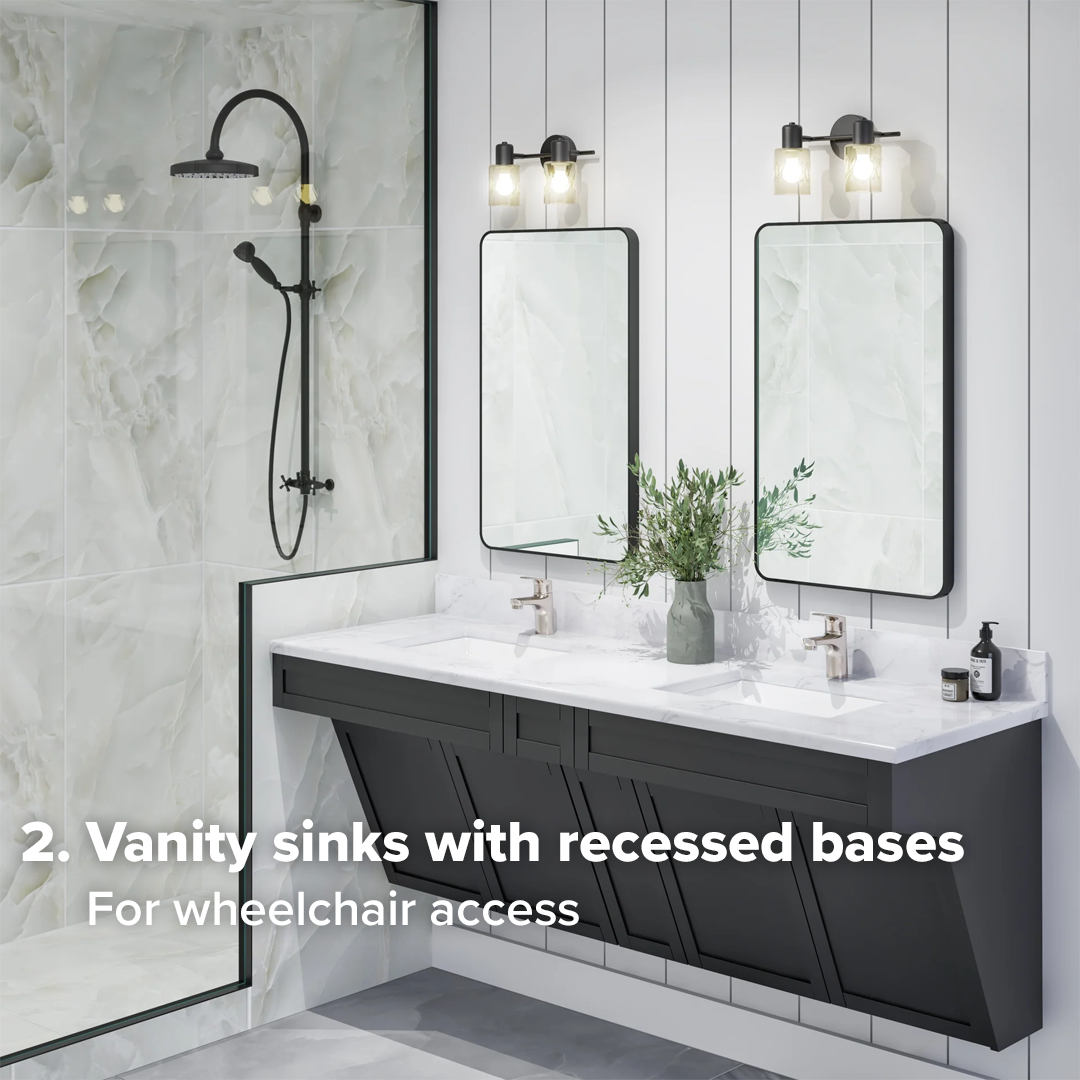
2. Accessible Bathroom Fixtures
Thoughtful bathroom design significantly impacts daily comfort and independence for aging adults. According to occupational therapists, well-designed spaces can extend independent living by 5-10 years. Recessed sinks, varied-height countertops, and pull-out features create versatile spaces that accommodate both standing and seated use.
These age-friendly modifications include:
Roll-under sinks with insulated pipes to prevent burns
Counters at multiple heights (30", 34", and 36") for various tasks and users
Pull-out shelving and drawers that bring contents to the user
Touch-activated or lever-style faucets that require minimal grip strength
Side-mounted cabinet handles rather than knobs for easier gripping
Comfort-height toilets (17-19" tall) for easier transfers
Well-placed lighting under cabinets and in work areas
Contrasting edge colors on countertops for those with vision impairments
These thoughtfully designed features help seniors maintain dignity and independence with daily self-care and cooking tasks. Modern materials and finishes ensure these accessible elements blend seamlessly with your home's overall design while increasing functionality for users of all abilities.
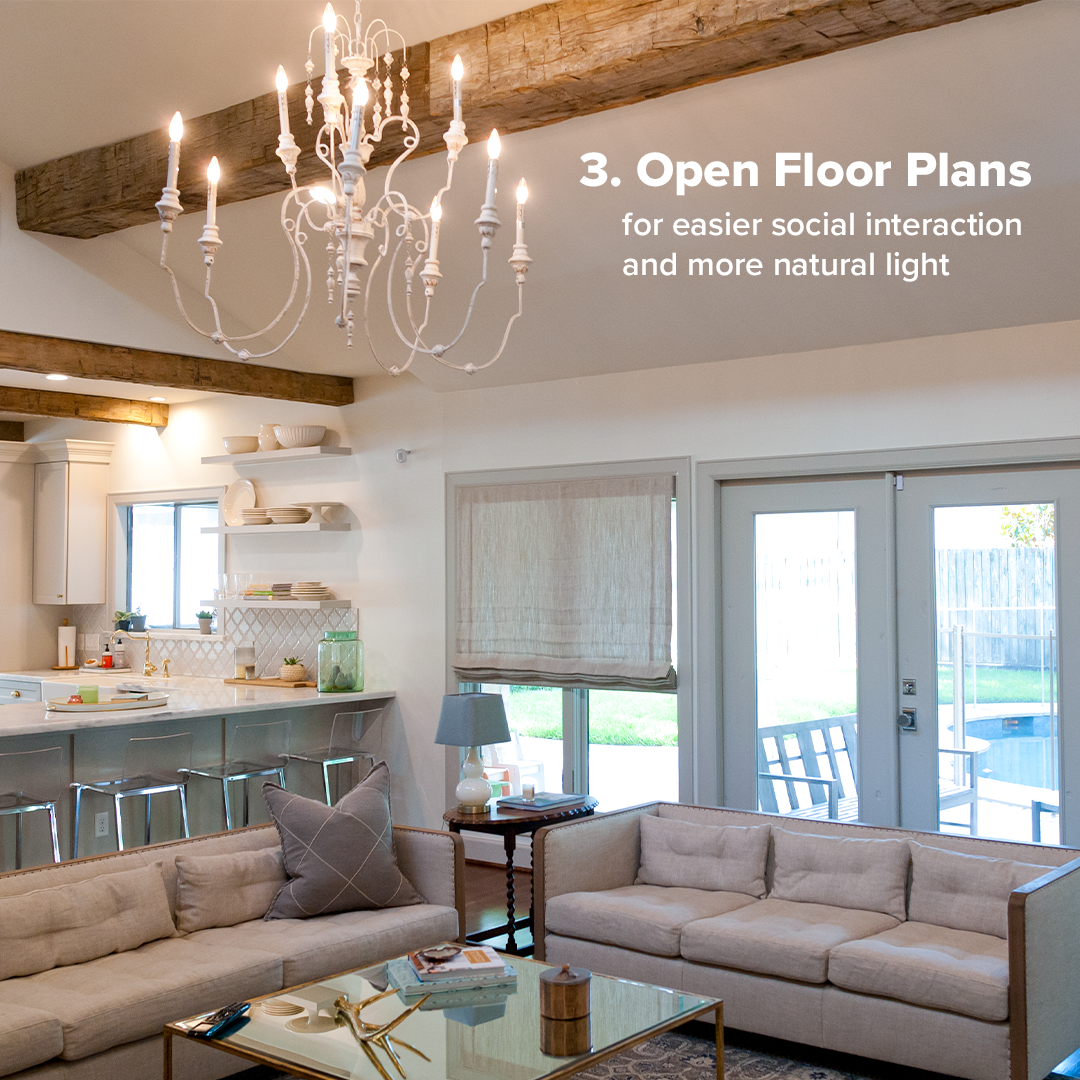
3. Universal Design with Wider Doorways and Open Floor Plans
Tight spaces and narrow doorways create significant mobility challenges for people using walkers, wheelchairs, or those with balance issues. Standard 28-30" doorways are too narrow for most mobility devices, while traditional floor plans with multiple smaller rooms create navigation obstacles. Universal design principles address these limitations by creating spaces that work for everyone.
Key universal design elements include:
36" wide doorways throughout the home (minimum recommended width)
Pocket doors or swing-clear hinges that don't require turning radius space
Open concept living areas that eliminate unnecessary walls and barriers
Smooth transitions between flooring types to prevent tripping
Removal of raised thresholds at doorways
Wider hallways (minimum 42" width) for comfortable passage
Clear pathways with furniture arranged for easy navigation
Enhanced natural light that reduces shadows and improves visibility
These design choices make homes feel more spacious and contemporary while dramatically improving functionality for people of all ages and abilities. Open floor plans also facilitate better communication between rooms and allow family members to remain socially connected even when engaging in different activities. For existing homes, selective wall removal and doorway widening are among the most impactful renovations for aging in place.

4. First-Floor Primary Suite for Single-Level Living
Stairs become increasingly challenging with age, with research showing that 43% of seniors report difficulty navigating steps. A complete first-floor living solution eliminates this daily hazard while providing privacy and independence. Whether incorporated into new construction or created through thoughtful renovation, a main floor primary suite forms the cornerstone of successful aging-in-place design.
A comprehensive first-floor living solution should include:
A spacious primary bedroom with ample clearance around the bed
An accessible en-suite bathroom with roll-in shower and safety features
Wide doorways and threshold-free transitions throughout
Roomy closets with adjustable shelving and accessible storage
Well-placed electrical outlets at convenient heights (18-24" from floor)
Enhanced lighting systems with bedside controls
Easy access to common areas like the kitchen and living room
Proximity to exterior doors for emergency evacuation
Windows positioned for both privacy and natural light
This single-level living approach works equally well in ranch-style homes, first-floor additions to existing homes, or as part of open concept main floor renovations. For families with two-story homes, converting a main floor den or living area into a bedroom suite can provide an accessible living option without the need for expensive elevator installation or relocation.

5. Integrated Smart Home Technology for Independence
Modern technology offers unprecedented opportunities for seniors to maintain control over their environment. Smart home features can compensate for physical limitations while enhancing security and comfort. These systems are becoming increasingly user-friendly and can be integrated during new construction or added to existing homes.
Beneficial smart home systems for aging in place include:
Voice-activated assistants (like Amazon Alexa or Google Home) that control multiple home functions
Automated lighting with motion sensors in key areas like bathrooms and hallways
Smart door locks and doorbell cameras for security and remote access
Programmable thermostats with voice or smartphone control
Water leak and temperature monitoring systems
Medication reminder systems and electronic pill dispensers
Fall detection and emergency response systems
Remote monitoring capabilities for family caregivers
Automated window coverings for privacy and light control
Smart appliances with safety shut-off features
These technological solutions can be implemented gradually, starting with the most needed features and expanding over time. Working with experienced home automation specialists ensures systems are properly integrated and simple to use. The goal is technology that enhances independence rather than creating frustration, with intuitive interfaces designed specifically for older adults.
